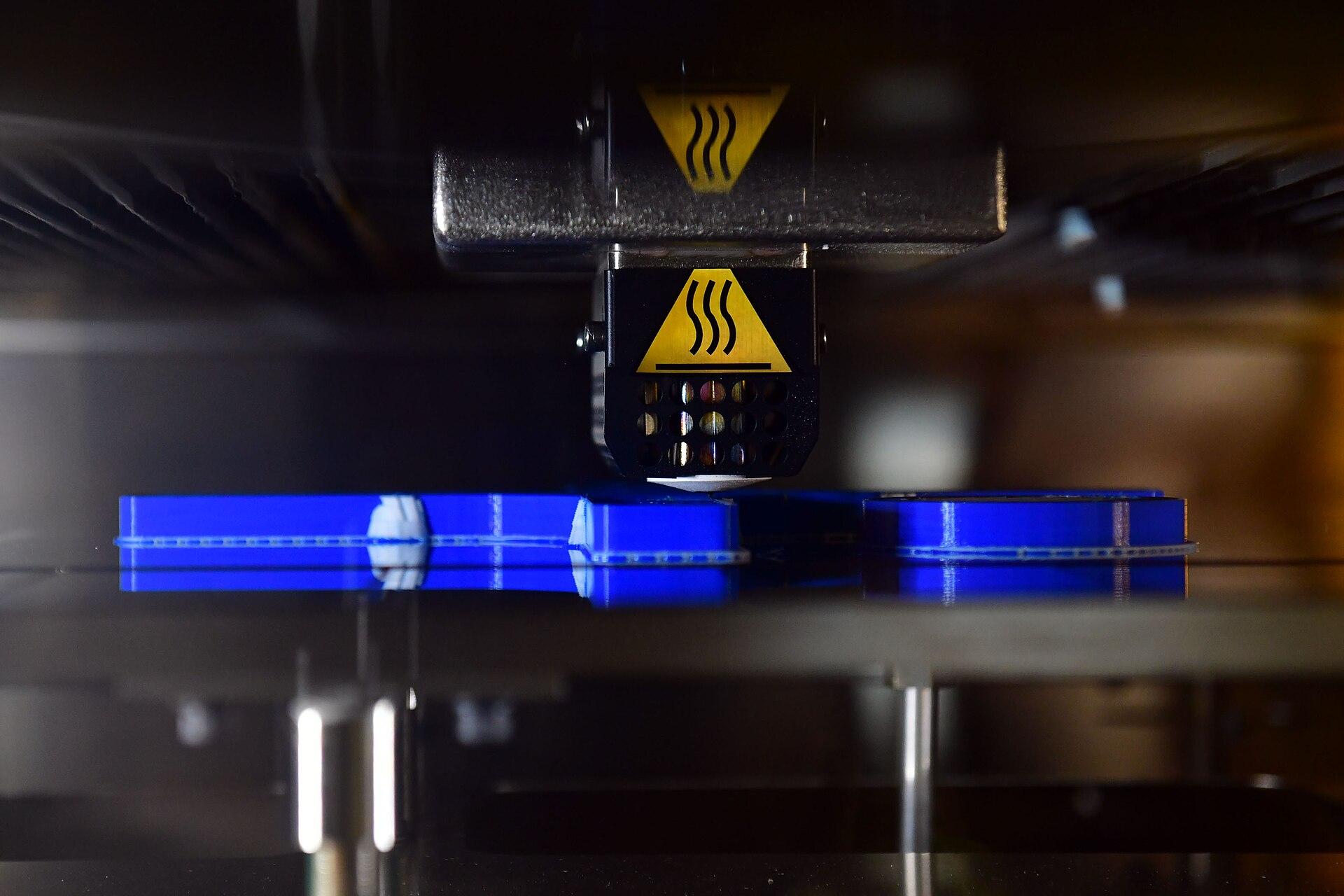
Additive parts don't come out where the CAD model says they should. Sagging under their own weight, thermal contraction as they cool, support-removal spring-back — by the time a printed aerospace part reaches the mill, it has deviated from nominal across all six degrees of freedom: it's shifted, and it's rotated, and it's a little distorted. Machine it as if it were nominal and you'll cut into a feature here and leave stock there.
For aerospace tolerances, that's not acceptable. So before a single chip comes off, you have to answer one question: where is this part, really?
No off-the-shelf answer
When I took this on, there was no openly available method for it — comparable approaches were locked behind proprietary restrictions. The process below is what I built to fill that gap.
The method
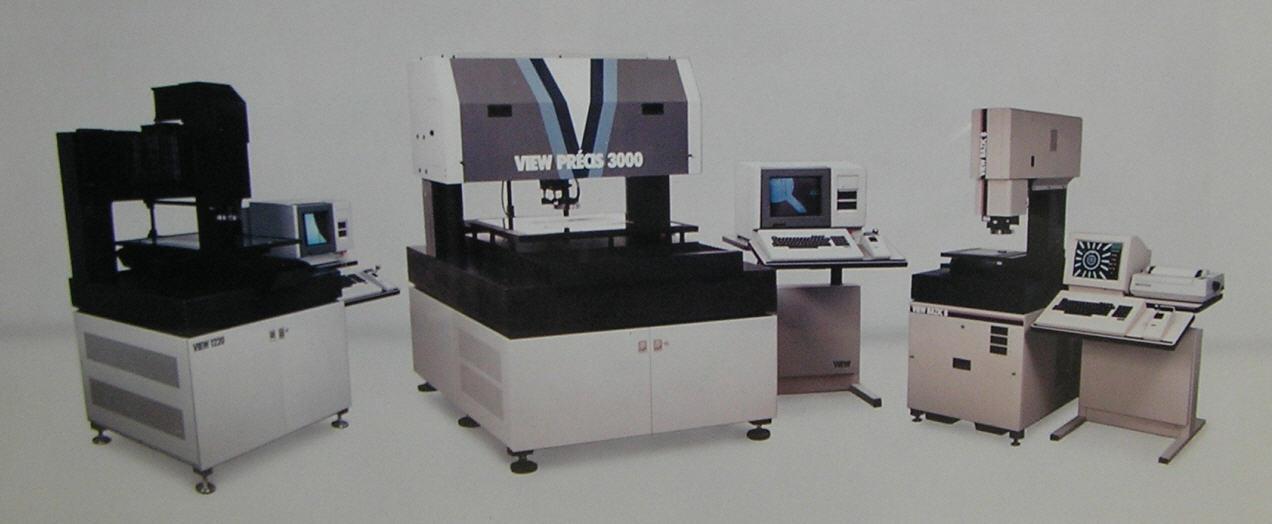
- 1Scan the printed part with an Optical MicroCMM in a known coordinate system, so the measurement and the machine share a frame of reference.
- 2Solve the 6-DOF location in GOM Inspect + Rhino/Grasshopper — best-fit the scan to the nominal model to recover exactly how the real part is translated and rotated relative to where the toolpaths expect it.
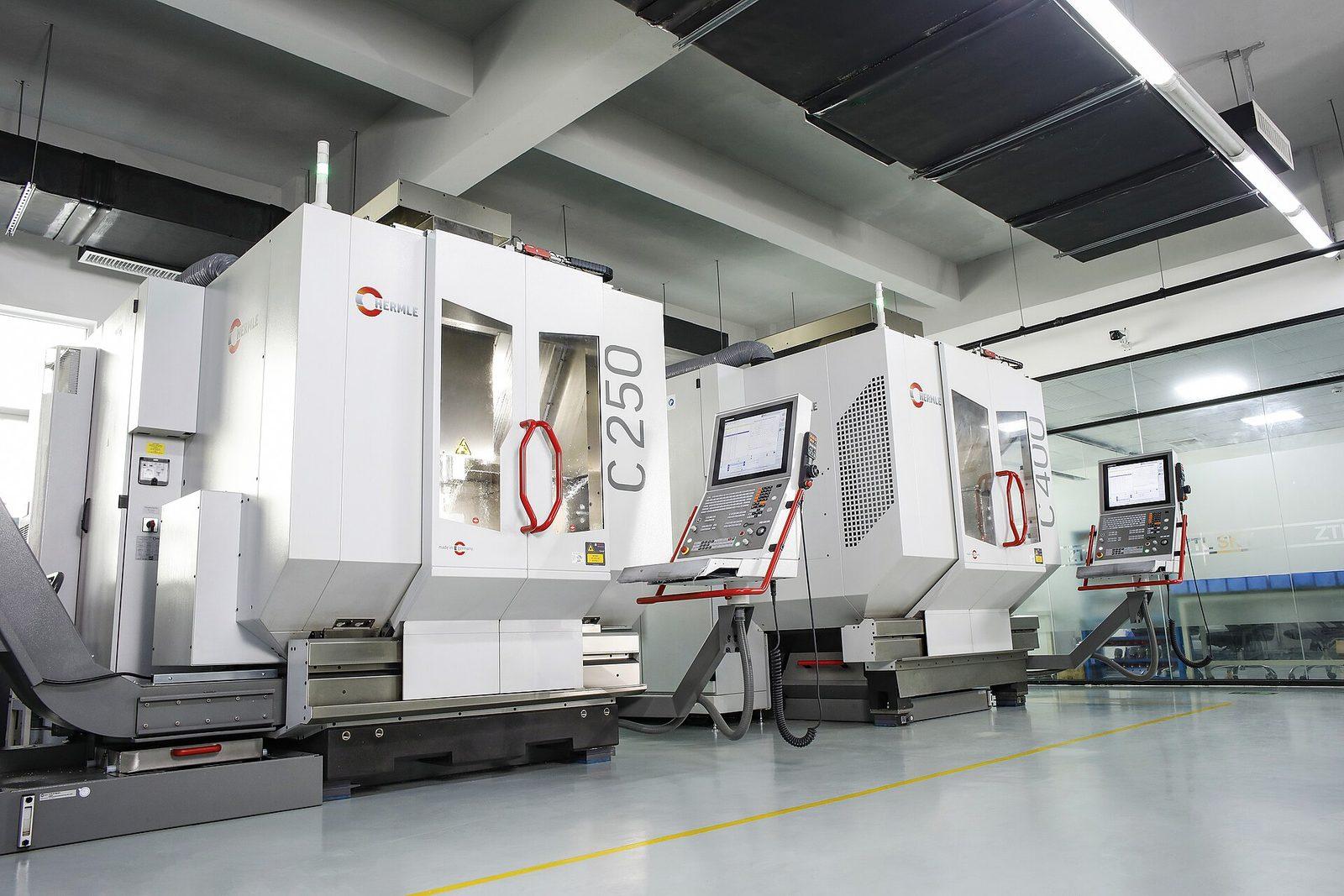
- 3Transform the toolpaths — apply that same transformation to the Mastercam program so the cuts land on the part as it actually sits, not as it was modelled.
The crucial move is keeping everything in one known coordinate system. The optical scan, the best-fit, and the toolpath transform all speak the same frame, so the correction is a single rigid transformation rather than a pile of manual offsets.
A bonus: pre-compensation
Once you can measure how a part deviates, you have deviation data. That same data can be fed back to pre-compensate the part before printing — warp the input geometry so the printed result lands closer to nominal in the first place. The metrology stops being just an inspection step and becomes part of the design loop.
You can't machine a printed part accurately until you stop pretending it's where the model says it is.
The result is that any 3D-printed part can be machined to tight tolerance regardless of how much it deviated in the print — because the toolpaths are built around the real part, not the ideal one.