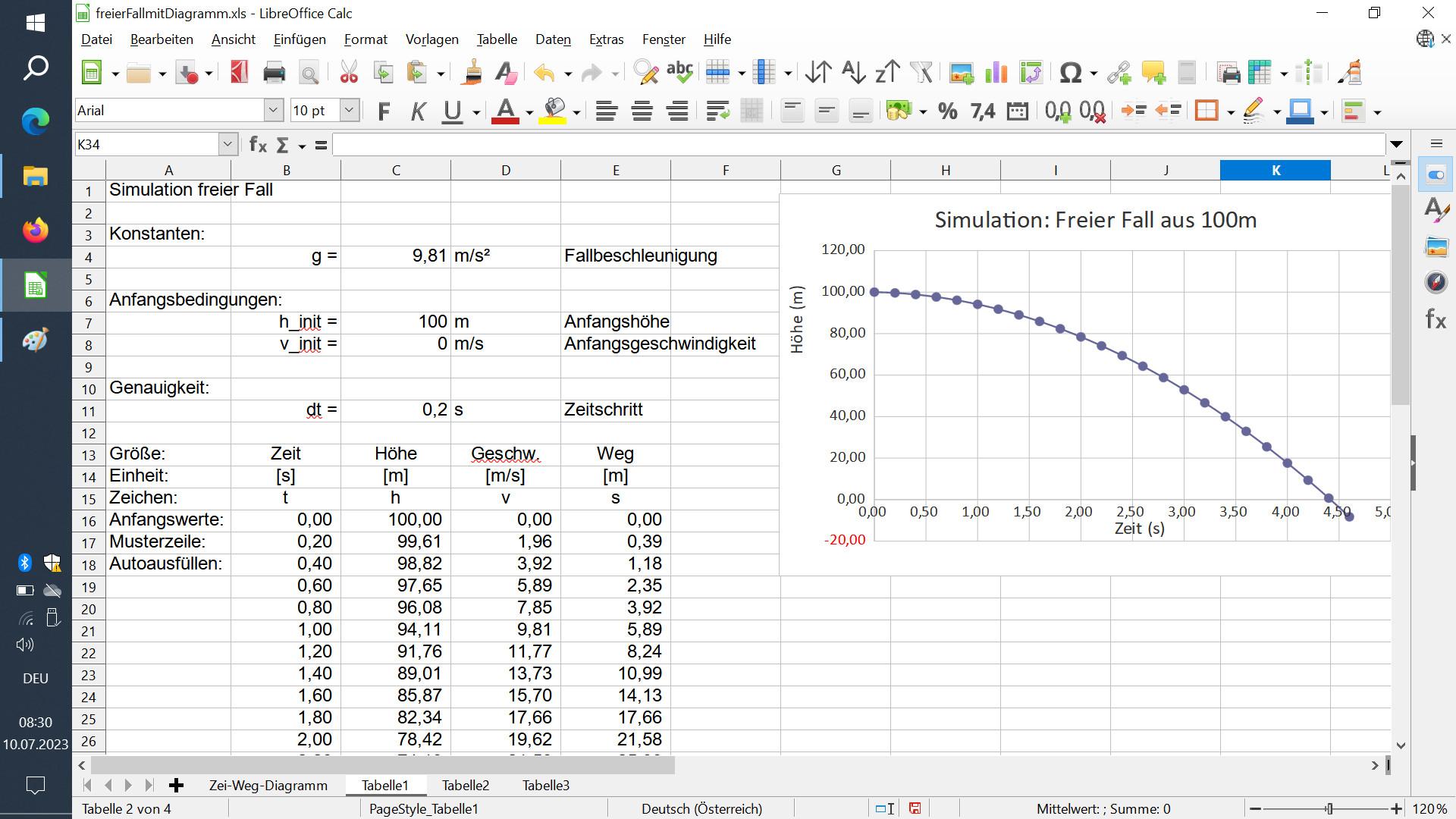
Every shop starts tracking tools in Excel, and every shop eventually outgrows it. Tools live across many machines and projects. Each one has inventory, a holder, a tool life, a stick-out, and a revision history. In a spreadsheet, all of that has to be printed and re-shared the moment anything changes — and something is always changing.
The failure mode isn't dramatic; it's quiet. Someone runs an old printout. A revision doesn't propagate. Two people edit two copies. The data drifts from reality, and the floor stops trusting it.
What ToolLink is
ToolLink is a Flask + SQLite web app that centralizes tools, machines, and projects in one place. Engineers, machinists, and operators view and update the same tool data digitally, in real time, from a laptop or a phone on the floor.
- One source of truth — tools, holders, stick-out, tool life, and revisions live in the database, not in a dozen printouts.
- Real-time — a change is visible to everyone immediately; no print-and-redistribute cycle.
- Accessible — it's a web app, so any device on the network can reach it without installing anything.
Why Flask + SQLite was the right size
It's tempting to over-build internal tools. ToolLink deliberately didn't. Flask keeps the app small and legible; SQLite means zero database server to administer and a single file to back up. For a shop-floor tracker with a bounded number of users, that stack is plenty — and it kept the whole thing maintainable by one engineer.
The real win is communication
Eliminating repeated Excel work and printing improved accuracy, but the bigger effect was shop-floor communication. When everyone reads the same live record, the arguments about "which sheet is right" just stop.
Lessons that transfer
- 1Centralize the data before you make it pretty — a plain table everyone trusts beats a dashboard nobody updates.
- 2Meet people where they are: a phone-friendly web page gets used on the floor; a desktop install doesn't.
- 3Match the stack to the problem. Not every internal tool needs Postgres and a frontend framework.