Lights-out machining sounds like a productivity story, but it's really a trust story. When the shop is empty overnight, nobody is there to hear the cut go wrong, catch a packed flute, or stop the spindle before a worn edge scraps a tray of parts. Everything that a person would normally catch has to be designed out in advance.
Doing that reliably across a wide diameter range — from delicate 1 mm tools up to 20 mm — makes the demand sharper, because the failure modes change as the tool gets smaller.
What unattended running actually demands
- Repeatable precision — the 500th part has to be the 1st part. That's about consistent blank size and consistent grinding, not just a good first article.
- Chip evacuation you can trust — no one is there to clear a packed flute. Polished flutes and the right geometry keep chips moving so they don't re-cut or weld.
- Predictable wear — the edge has to degrade gracefully and predictably, so tool life can be set with margin instead of hope.
- No collisions, ever — every link and approach has to be clean, which is why I model link motion deliberately.
Consistency starts at the blank
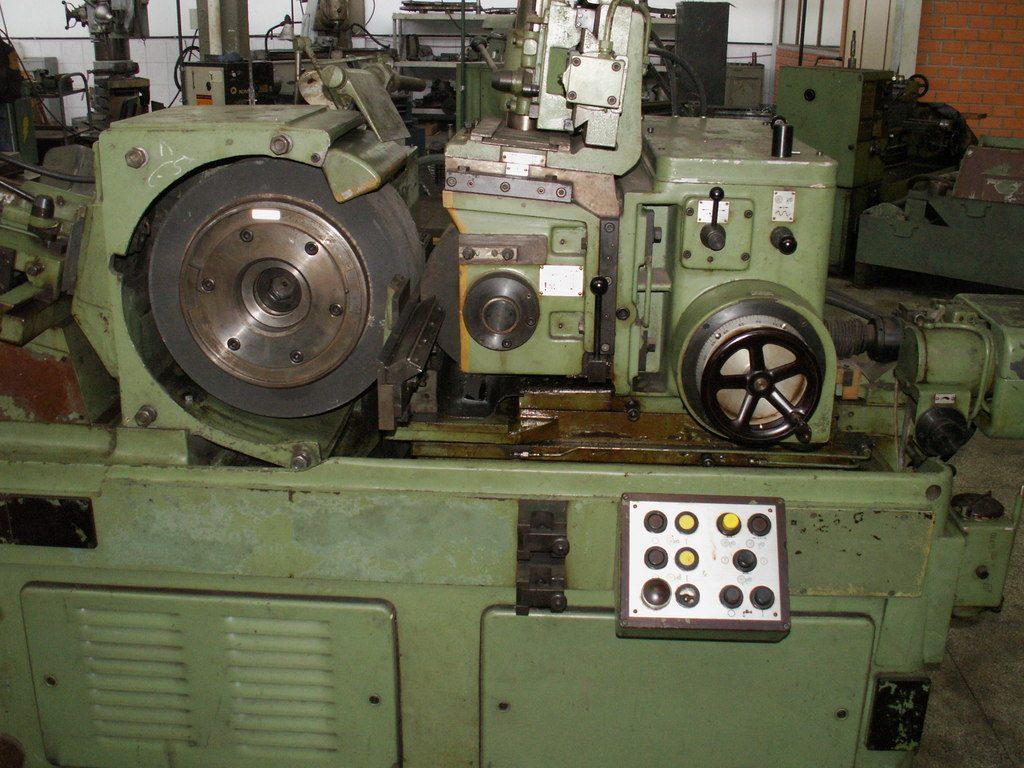
A surprising amount of lights-out reliability is decided before the tool is even ground. Inconsistent blank sizes wear grinding wheels unevenly, which makes the next tool a little different, which is exactly the variation you can't afford overnight. Custom blanking programs that control blank size keep both the wheel wear and the finished tool consistent.
Test like it's 2am
Every tool gets rigorously tested before it ships. The question isn't "can it make a good part?" — it's "will it make the 300th good part with nobody watching?" Those are different questions, and only the second one matters for lights-out.
The mindset
Designing for lights-out changes how you think about a tool. You stop optimizing for the best possible part and start optimizing for the worst part you'd accept — and making sure the tool never produces something below it before its planned tool life is up.
Lights-out isn't about cutting faster. It's about building a tool that refuses to surprise you at 3am.